

Introduction
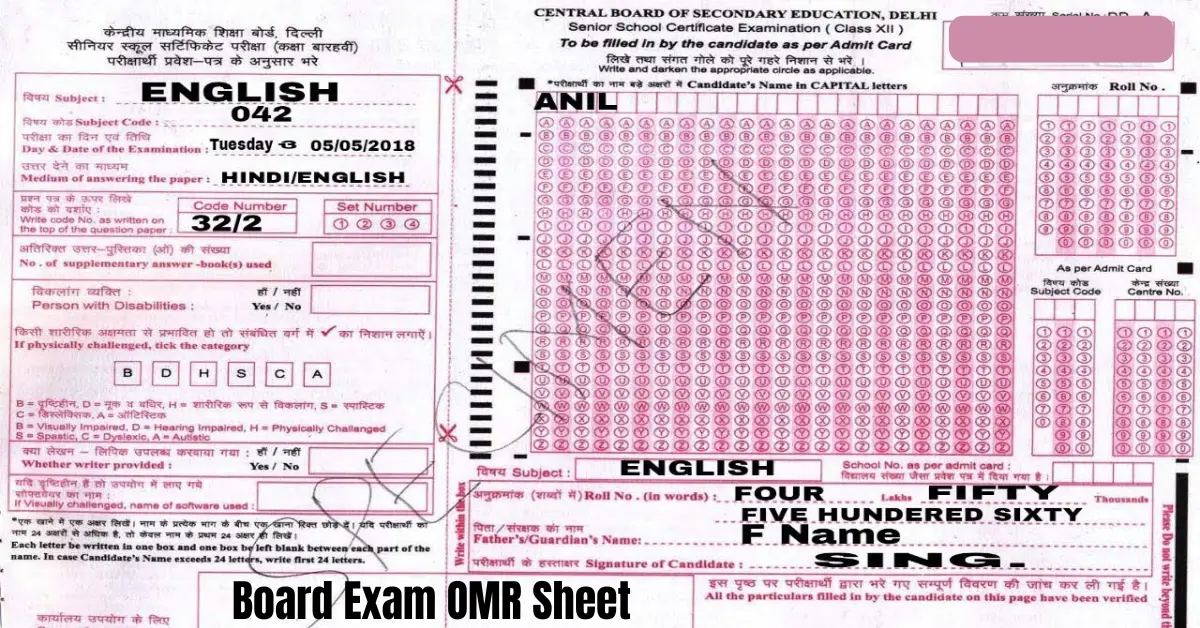
A board exam OMR sheet is a specially designed answer sheet used in many modern examinations to evaluate multiple choice questions quickly and accurately. OMR stands for Optical Mark Recognition, which means the sheet is read by a machine that detects the shaded bubbles filled by students.
In today’s board exams, OMR sheets have become very important because they help in fast and fair checking of answers without human bias or delay. Instead of manually checking each response, the system scans the marked bubbles and calculates scores with high accuracy.
However, even though the system is advanced, it still depends completely on how carefully a student fills the sheet. A small mistake like marking the wrong bubble, incomplete shading, or entering incorrect details can directly affect the final result.
What is a Board Exam OMR Sheet
A board exam OMR sheet is an official answer sheet used in many school and board level examinations where multiple choice questions are evaluated automatically. OMR stands for Optical Mark Recognition, which is a technology that reads shaded bubbles filled by students and converts them into digital marks.
In simple words, instead of writing long answers, students select the correct option and shade the corresponding bubble on the sheet. This sheet is then scanned by a machine that identifies the marked areas and calculates the score based on the correct responses.
The main purpose of using an OMR sheet in board exams is to make the checking process faster, more accurate, and free from human error. It ensures that thousands of exam papers can be evaluated in a very short time with consistent results.
A typical board exam OMR sheet includes basic student information such as roll number, subject code, and question responses in bubble format. Every bubble must be filled carefully because even a small mistake like incomplete shading or marking the wrong circle can lead to incorrect evaluation.
That is why understanding how a board exam OMR sheet works is very important for every student appearing in modern examinations.
Step by Step Guide to Fill Board Exam OMR Sheet
Filling a board exam OMR sheet correctly is just as important as answering the questions. Even a small mistake can affect your final score, so it is important to follow each step carefully and calmly during the exam.
Read Instructions Carefully
Before you start filling anything, carefully read all instructions printed on the OMR sheet. Every board may have slightly different rules, so understanding them first is very important.
Fill Personal Details Correctly
Write your name, roll number, subject code, and other required details exactly as given in your admit card. One wrong digit can lead to serious issues in result processing.
Use the Correct Pen or Pencil
Most board exams require a black or blue ballpoint pen. Using the wrong tool can make your answers unreadable by the scanning machine.
Match Question Number Properly
Always ensure that the question number matches the bubble you are filling. Many students lose marks because they mark the wrong row by mistake.
Shade Bubbles Completely
Fill each bubble fully and evenly. Do not use half shading or light marks because the scanner may not detect them correctly.
Avoid Multiple Marking
Never fill more than one option for a single question unless instructed. Multiple answers can be marked wrong automatically.
Do Not Overwrite or Use Correction Fluid
Avoid cutting, overwriting, or using whitener on the OMR sheet. Most systems reject corrected answers.
Recheck Before Submission
Before handing over your sheet, quickly review all answers and personal details to ensure everything is accurate and properly filled.
Common Mistakes Students Make in OMR Sheet
Even well prepared students sometimes lose marks in exams because of small but serious mistakes in their board exam OMR sheet. These errors usually happen due to stress, lack of practice, or rushing during the exam. Understanding these mistakes can help students avoid unnecessary loss of marks.
Incorrect Filling of Roll Number
One of the most common mistakes is writing or shading the wrong roll number. Since the entire result depends on correct identification, even a single wrong digit can create major issues.
Improper Shading of Bubbles
Many students do not fill bubbles completely. Light shading or partially filled circles may not be detected by the scanning machine, leading to wrong evaluation.
Marking the Wrong Option
In a hurry, students sometimes fill the wrong answer row or misalign the question number with the options. This creates a chain of wrong answers.
Using Wrong Pen or Pencil
Some students ignore instructions and use gel pens, pencils, or colors that are not allowed. This can make the OMR sheet unreadable.
Changing Answers Incorrectly
Trying to erase or overwrite answers often damages the sheet. Most OMR systems do not accept corrections properly once a mark is made.
Multiple Marking for One Question
Selecting more than one option for a single question usually results in zero marks for that question, even if one answer is correct.
Not Following Instructions
Ignoring printed guidelines on the sheet is another major mistake. Each board exam may have specific rules that must be followed strictly.
Important Board Exam OMR Sheet Rules
Every board exam OMR sheet comes with strict rules that students must follow carefully. These rules are designed to ensure that answers are correctly scanned and evaluated without any errors. Ignoring them can directly affect your final result.
Follow Exam Authority Instructions
Always listen to the invigilator and read the instructions printed on the OMR sheet. Different boards may have slightly different guidelines, so never assume they are the same.
Use Only Approved Writing Tools
Most board exams allow only a black or blue ballpoint pen. Using pencils, gel pens, or markers may lead to rejection of your answers during scanning.
Do Not Fold or Damage the Sheet
The OMR sheet must remain clean and flat. Folding, tearing, or dirty marks can affect machine reading and may cause errors in evaluation.
Avoid Any Kind of Overwriting
Once a bubble is filled, it should not be changed. Overwriting, scratching, or using correction fluid is usually not allowed and can make the answer invalid.
Keep Proper Alignment While Filling
Make sure you are filling answers in the correct row and column. Misalignment between question number and bubble is a very common cause of wrong answers.
Do Not Use Unnecessary Marks
Do not make stray marks, symbols, or writings on the sheet. The scanning system only reads clean and properly shaded bubbles.
Maintain Time Discipline
Do not rush at the end. Always keep a few minutes to review your board exam OMR sheet before submission to avoid small mistakes.
Conclusion
A board exam OMR sheet may look simple, but it plays a very important role in deciding your final marks. Even though you may know all the answers, the way you fill the sheet can directly impact your result.
The key takeaway is that accuracy matters more than speed. From filling personal details to shading bubbles correctly, every step must be done with full attention. Small careless mistakes like wrong marking, incomplete shading, or ignoring instructions can lead to unnecessary loss of marks.
If students understand the proper method and follow all rules carefully, the OMR sheet becomes very easy to handle. With a little practice and awareness, you can avoid common errors and ensure that your hard work in preparation is fully reflected in your final score.
In simple words, success in exams is not only about what you know, but also about how correctly you present it on your board exam OMR sheet.
